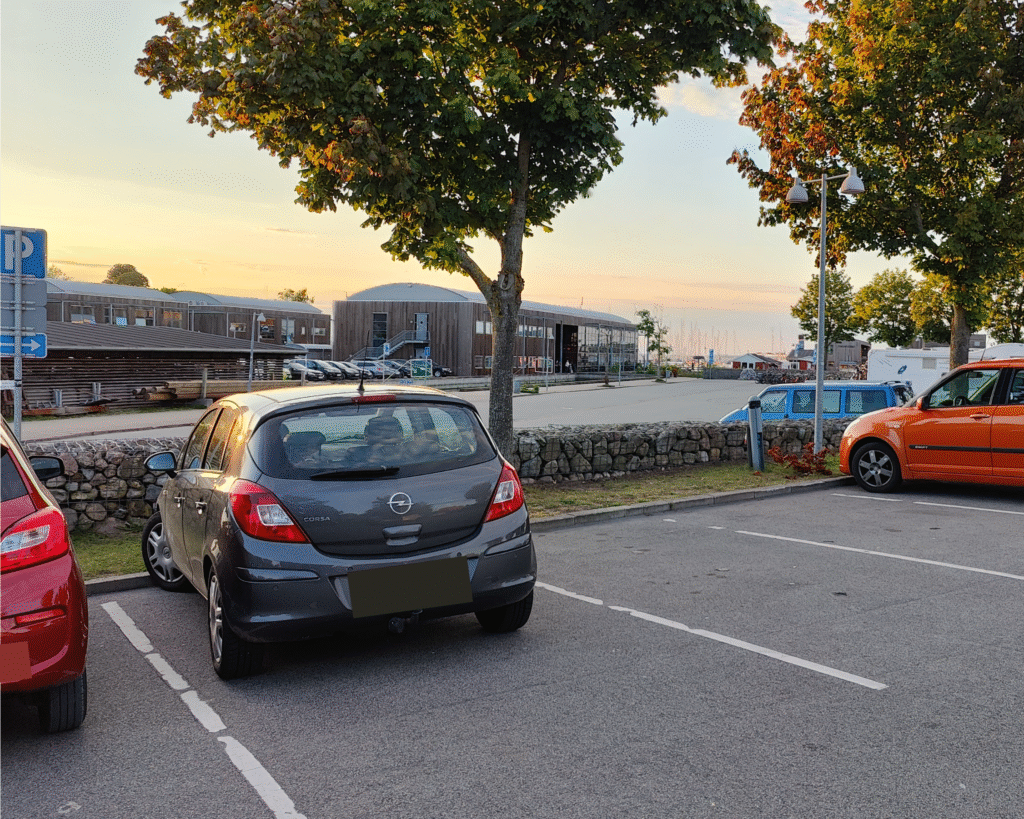


The Viking Ship Museum is one of Roskilde’s major visitor attractions, with many visitors arriving by car. However, the municipality had limited insight into how the parking spaces around the museum were actually being used.
This became the starting point for a project that has since expanded to other areas of the city, providing Roskilde Municipality with an increasingly comprehensive data foundation for parking planning and management.
The challenge
Roskilde Municipality lacked a clear picture of parking behaviour around the Viking Ship Museum. Demand varies throughout the day and across seasons, but without continuous occupancy data, it was difficult to understand when and where parking demand was highest.
Manual counts provided snapshots, but could not show how parking patterns developed over time. This made it difficult to assess whether the existing capacity matched demand or to make informed decisions about future planning and investment.
At the same time, the existing parking guidance screens in the area were not functioning as intended. Drivers arriving at the museum therefore had no up-to-date information about where parking spaces were available.
sensors at the Viking Ship Museum
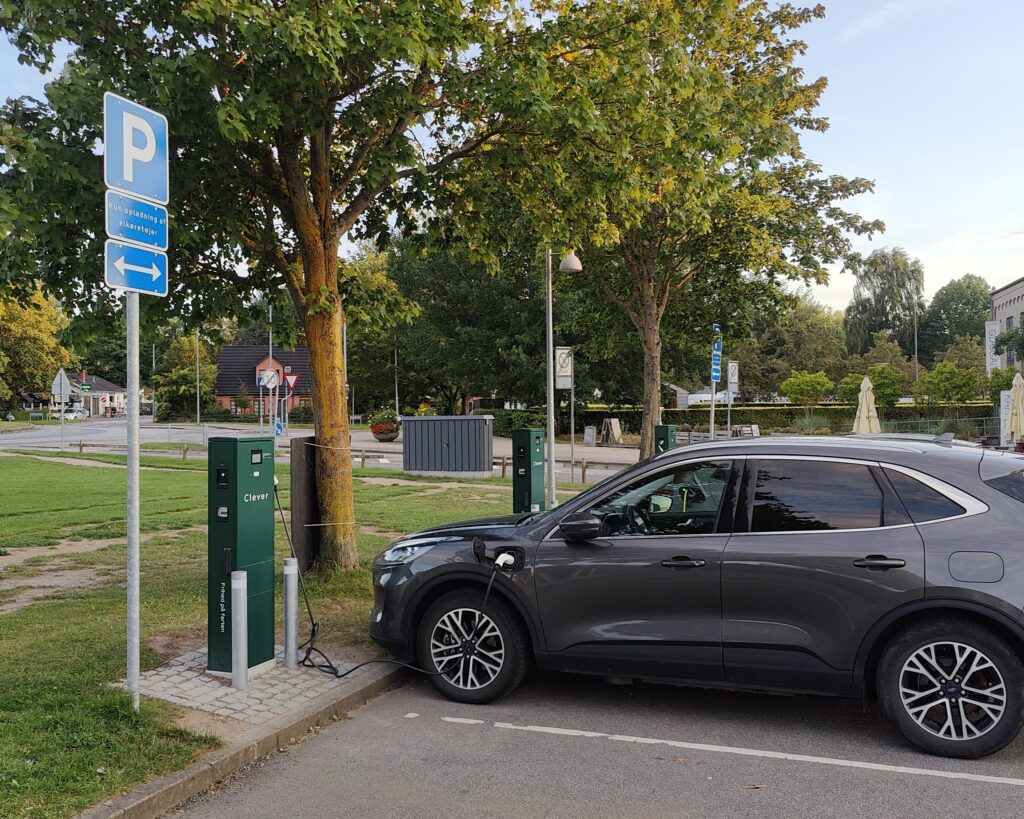
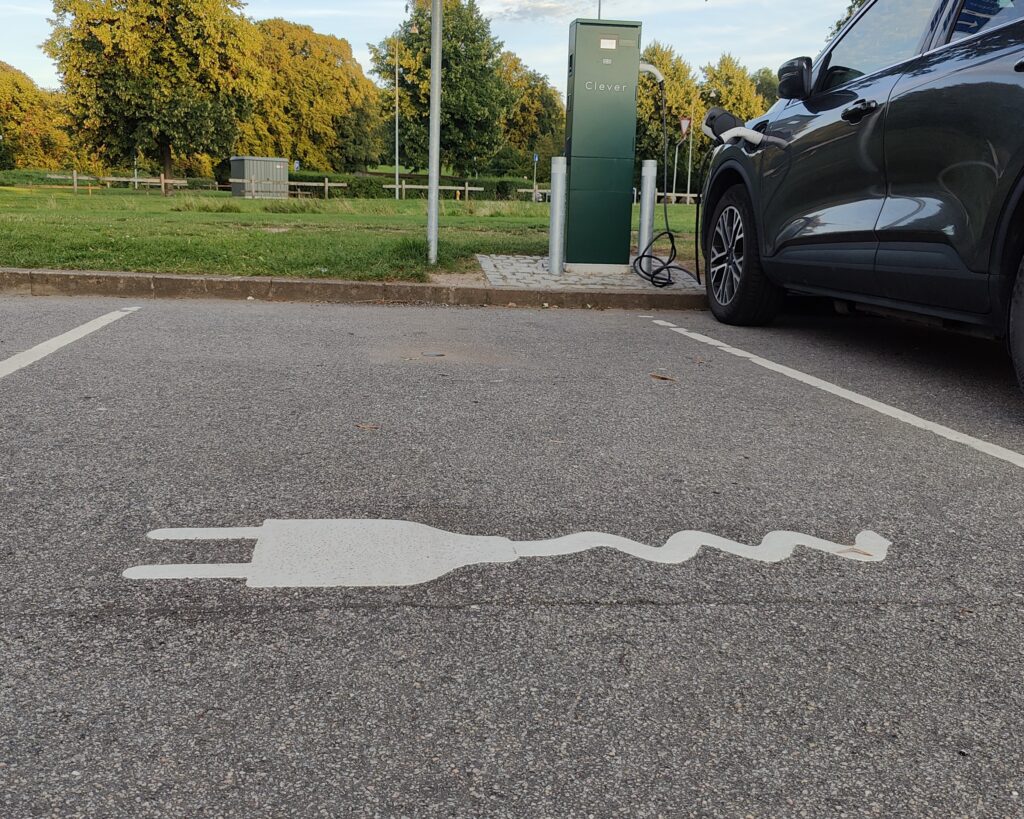
sensors across accessible and EV charging spaces
sensors for on-street parking on Borchsgade
The solution
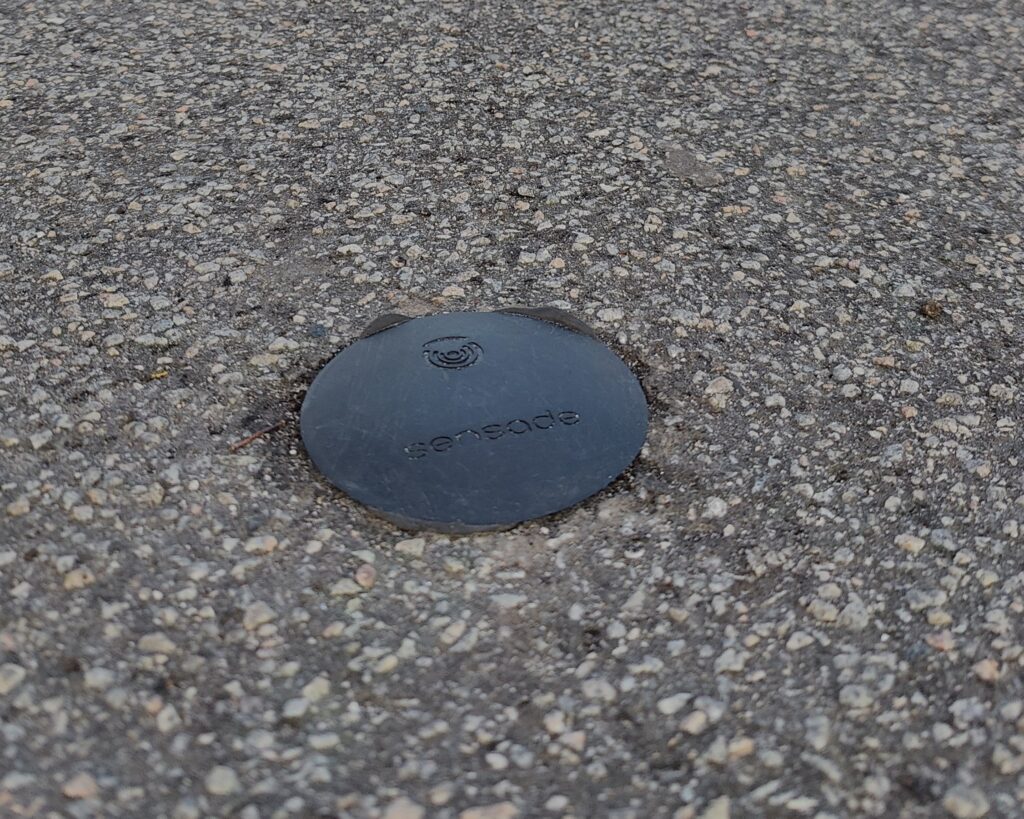
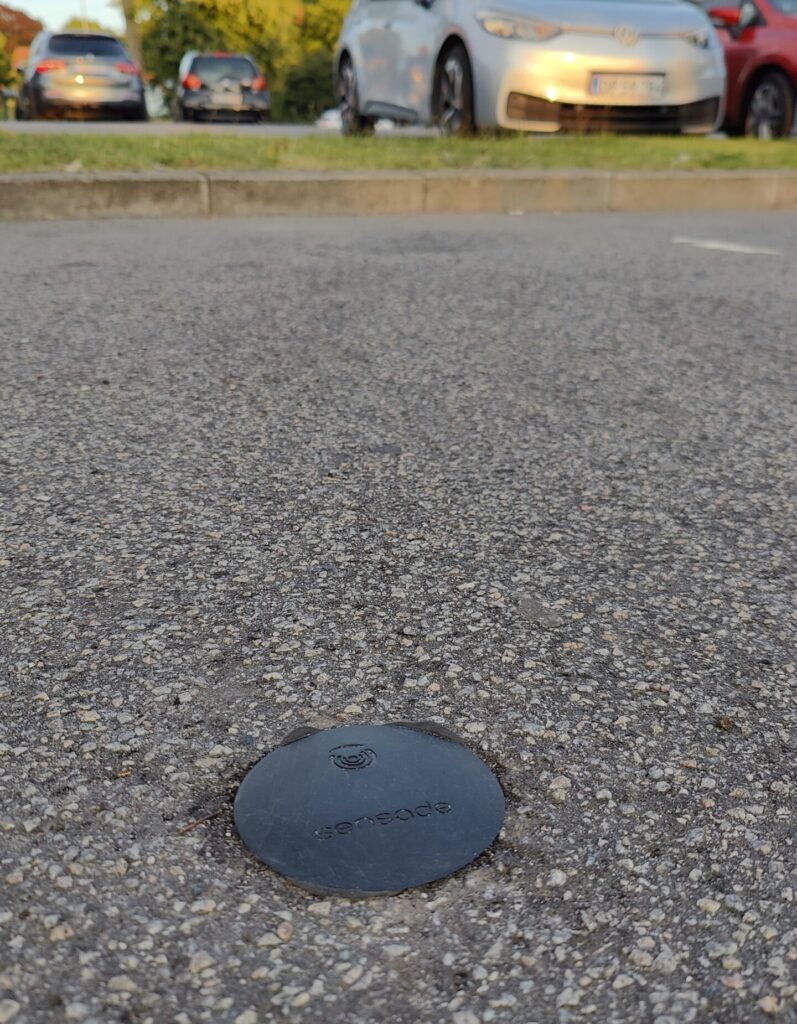
Sensade installed 220 parking sensors around the Viking Ship Museum, covering parking spaces used by visitors and local residents. The sensors continuously detect whether individual spaces are available or occupied and transmit the data to the Sensade platform. This gives Roskilde Municipality an accurate, up-to-date picture of occupancy based on how the parking spaces are actually being used.
A key part of the solution was integration with the city’s existing parking guidance screens. Live parking data from the sensors can now be used within the existing infrastructure, giving drivers information about available spaces as they arrive in the area.
The data is also brought together in Sensade’s dashboard alongside data from other parking systems in Roskilde. This gives the municipality a central overview of parking activity, from daily variations and periods of high occupancy to longer-term patterns across individual areas.
The impact
Roskilde Municipality now has continuous data showing how parking spaces are used over time. This makes it possible to identify where and when demand is highest and assess whether existing capacity matches actual parking needs.
The data provides a stronger foundation for planning parking areas and evaluating future changes based on actual usage rather than occasional manual counts.
The project has since expanded beyond the Viking Ship Museum. Sensade has installed a further 235 sensors across accessible and EV charging spaces in Roskilde, as well as 29 sensors for on-street parking on Borchsgade. Each expansion adds further insight into how different types of parking spaces are used across the city.
From one area to a broader overview
The project began at the Viking Ship Museum and has since expanded to cover different types of parking spaces and locations across Roskilde. This gives the municipality an increasingly comprehensive data foundation and makes it possible to compare parking patterns across different areas.
The solution can continue to expand with additional locations and data sources, allowing Roskilde Municipality to build a more complete picture of parking demand across the city.
The results
- Real-time occupancy data across different types of parking spaces
- Live parking data integrated with existing guidance screens
- Stronger data foundation for planning and investment decisions
- Solution expanded to additional locations across Roskilde