Silkeborg is known for its lakes, its natural surroundings, and a strong ambition to develop as a smart, sustainable city. But beneath the surface, its parking infrastructure was running on outdated technology — and the city had no reliable way of knowing how its spaces were actually being used.
Sensade partnered with Silkeborg to replace that uncertainty with data. The result is a city that can see its parking landscape in real time, make better decisions for residents and visitors, and build the IoT foundation needed for a broader smart city future.
The Challenge
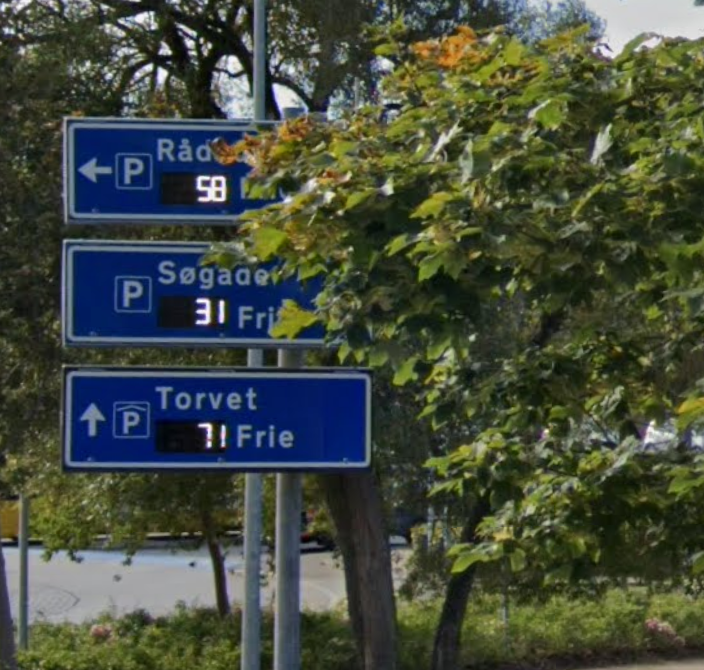
Silkeborg’s existing parking detection relied on inductive loop technology embedded in the road surface. The fundamental problem with loops is that they count vehicles at entry and exit points — they do not monitor individual spaces. Over time, counting errors accumulate with every vehicle movement, and the displayed number of available spaces becomes increasingly inaccurate. The longer the system runs, the further it drifts from reality.
For a city that wanted to give residents and visitors reliable parking information, and use that data to plan smarter urban infrastructure, a system that drifted further from the truth over time was not a foundation worth building on.
The Solution
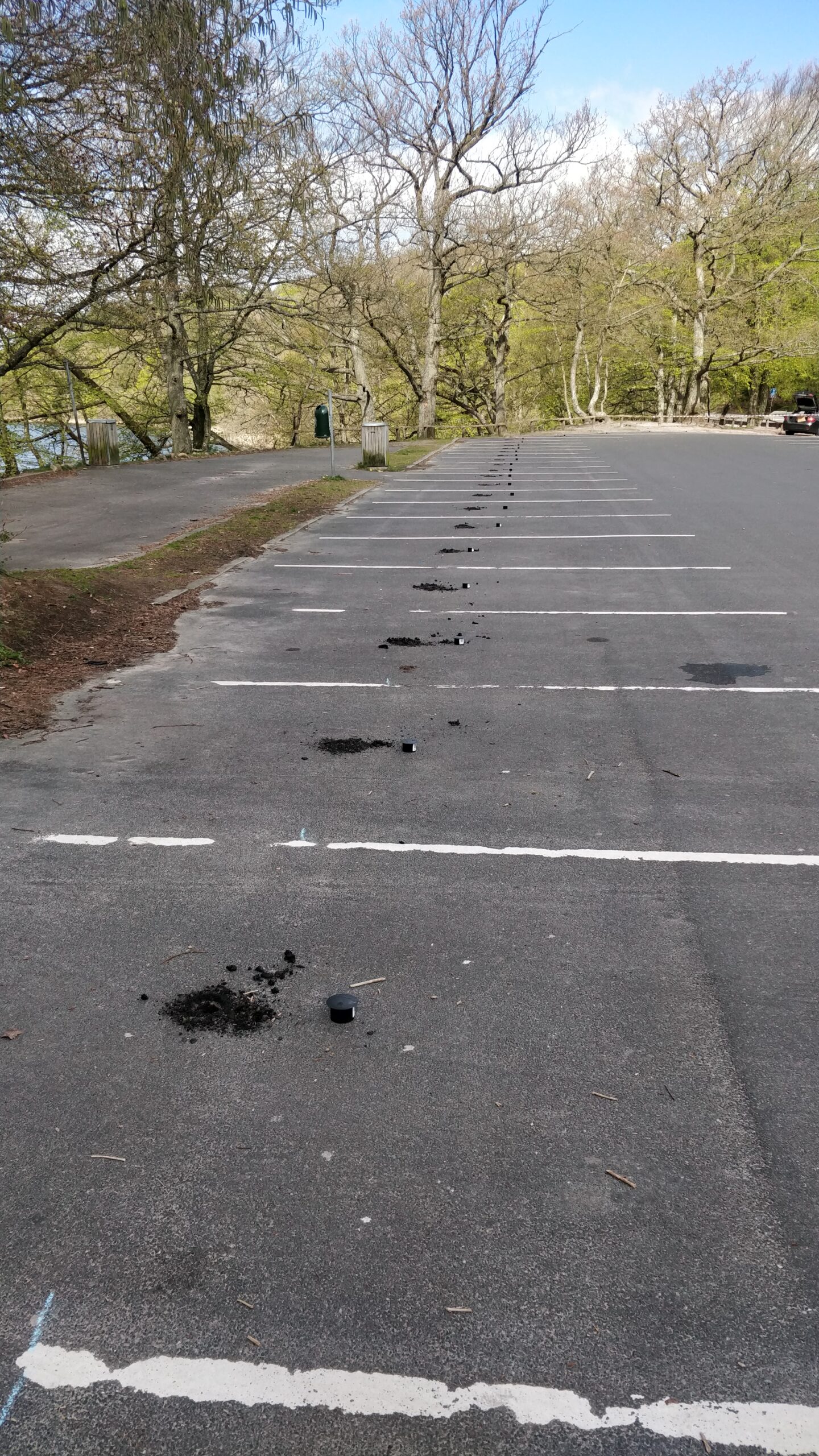
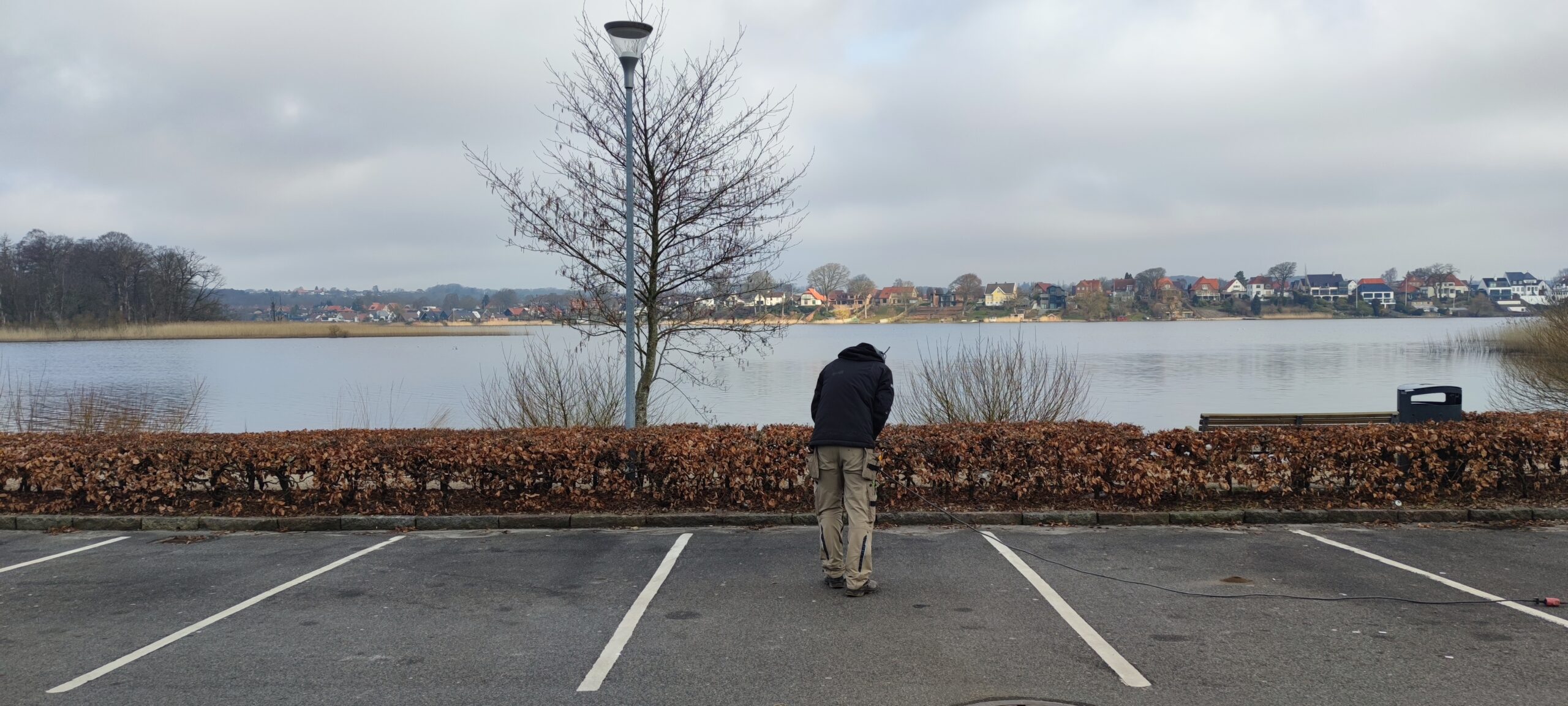
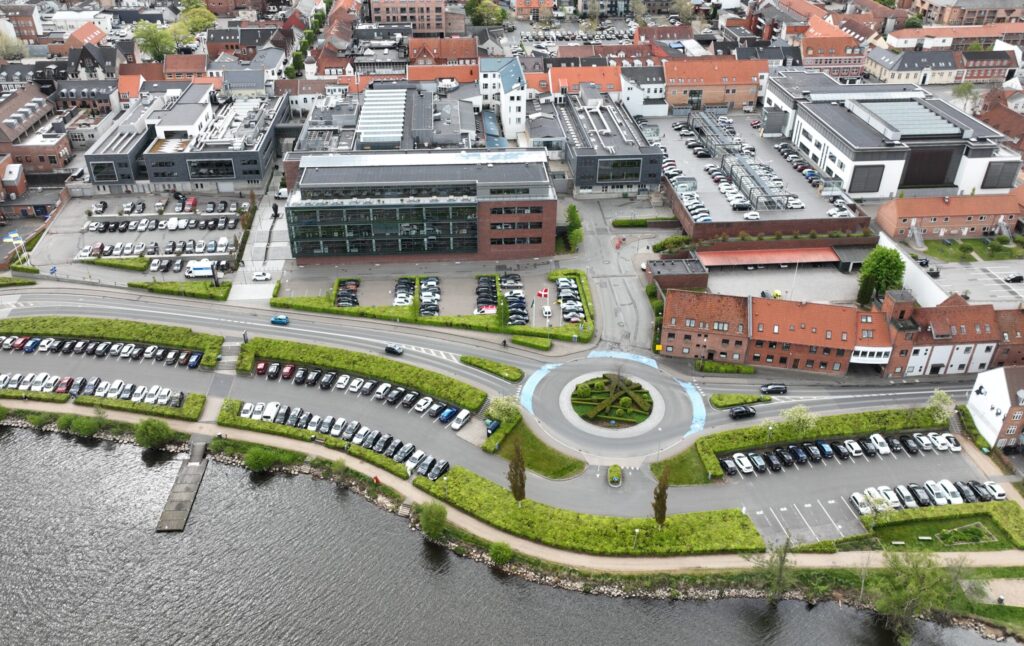
Sensade deployed 398 wireless parking sensors across Silkeborg city centre — one sensor per space. Unlike loop-based systems, each sensor monitors its individual bay continuously and independently, meaning occupancy data is accurate at the space level, in real time, without accumulating errors over time.
Loops vs. Sensade
Sensade deployed 398 wireless parking sensors across Silkeborg city centre — one sensor per space. Unlike loop-based systems, each sensor monitors its individual bay continuously and independently, meaning occupancy data is accurate at the space level, in real time, without accumulating errors over time.
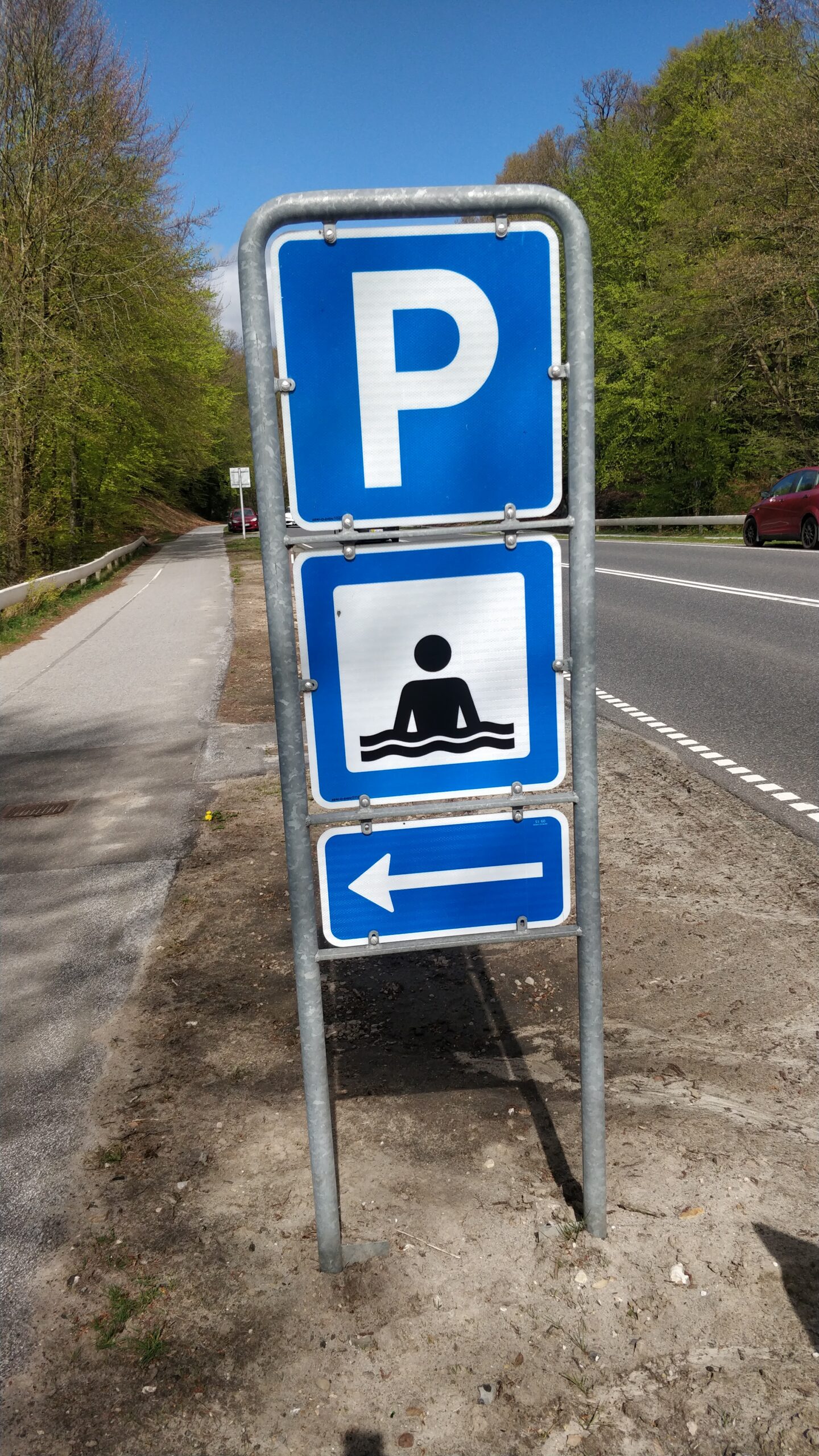
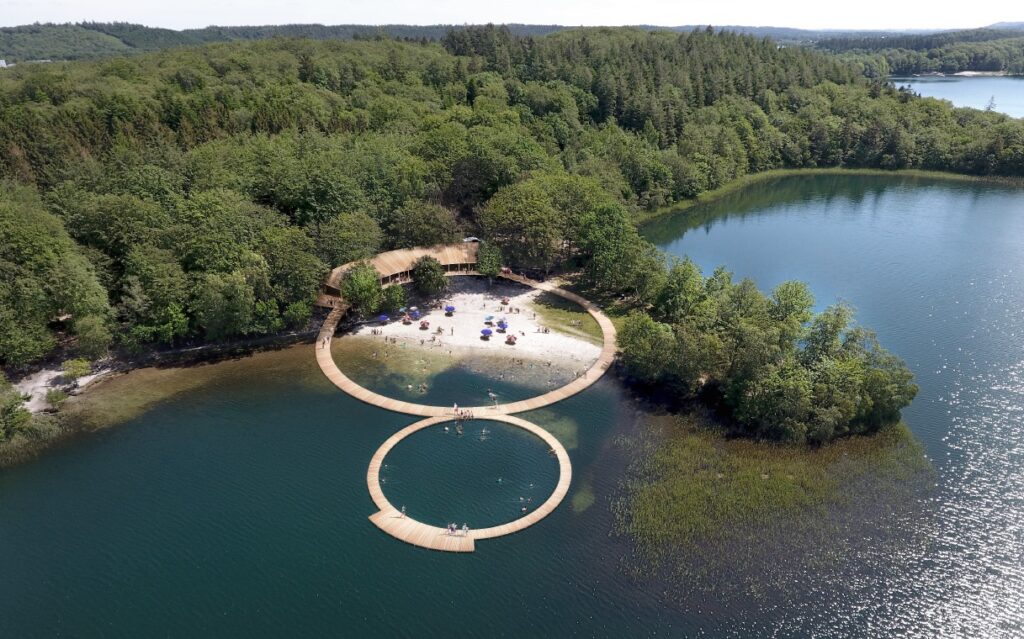
Drive. Park. Swim.
Silkeborg’s lakes are one of its defining features, and parking demand around them is anything but uniform. The data collected from Sensade’s sensors gives the municipality deep insight into parking patterns in these areas — peak hours, popular days, and seasonal trends throughout the year.
With that understanding, the city can identify where capacity may fall short during high-demand periods, plan proactively for visitor pressure, and improve the experience of everyone arriving by car to enjoy the lakes and surrounding nature
Safer Streets
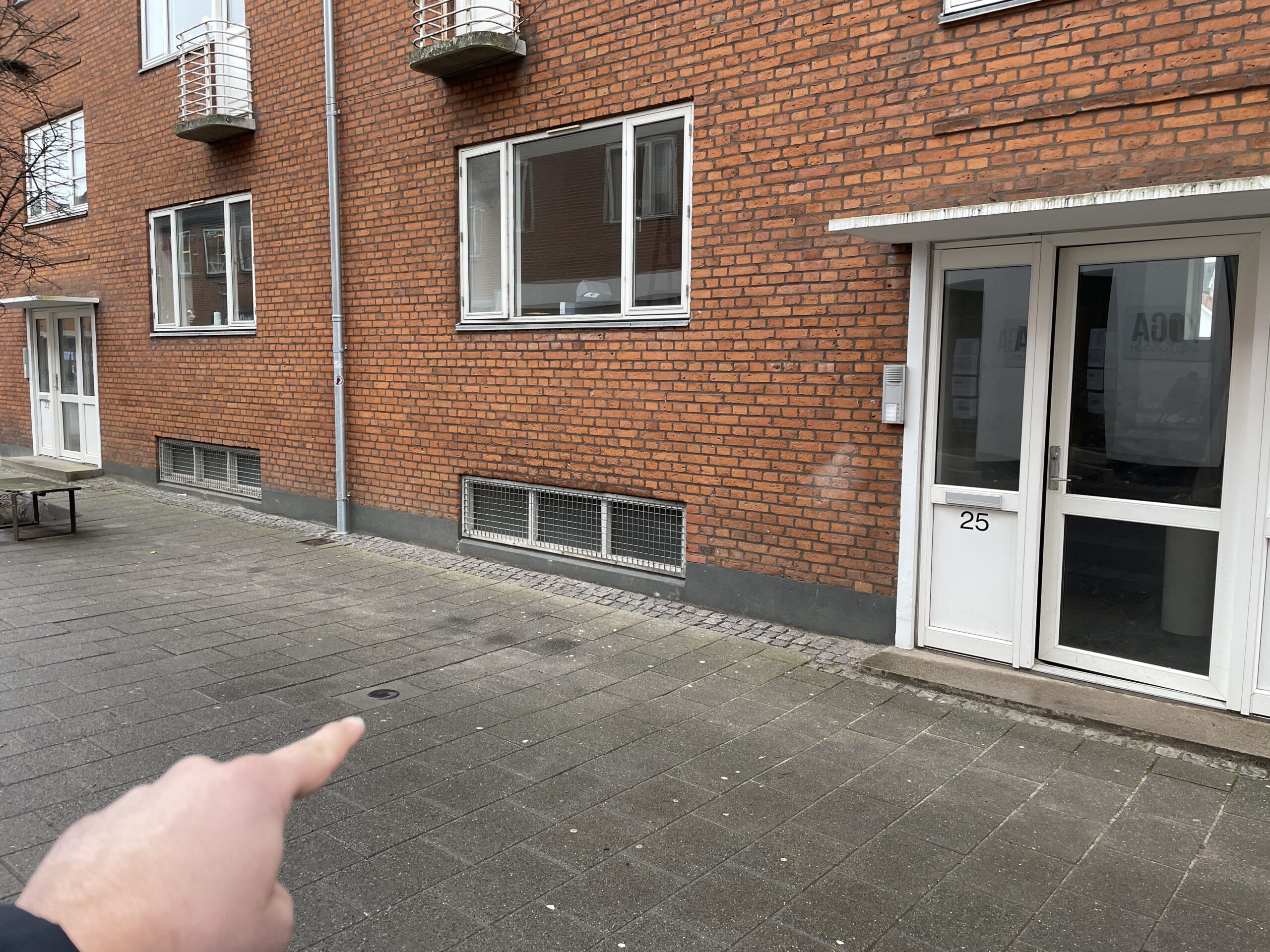
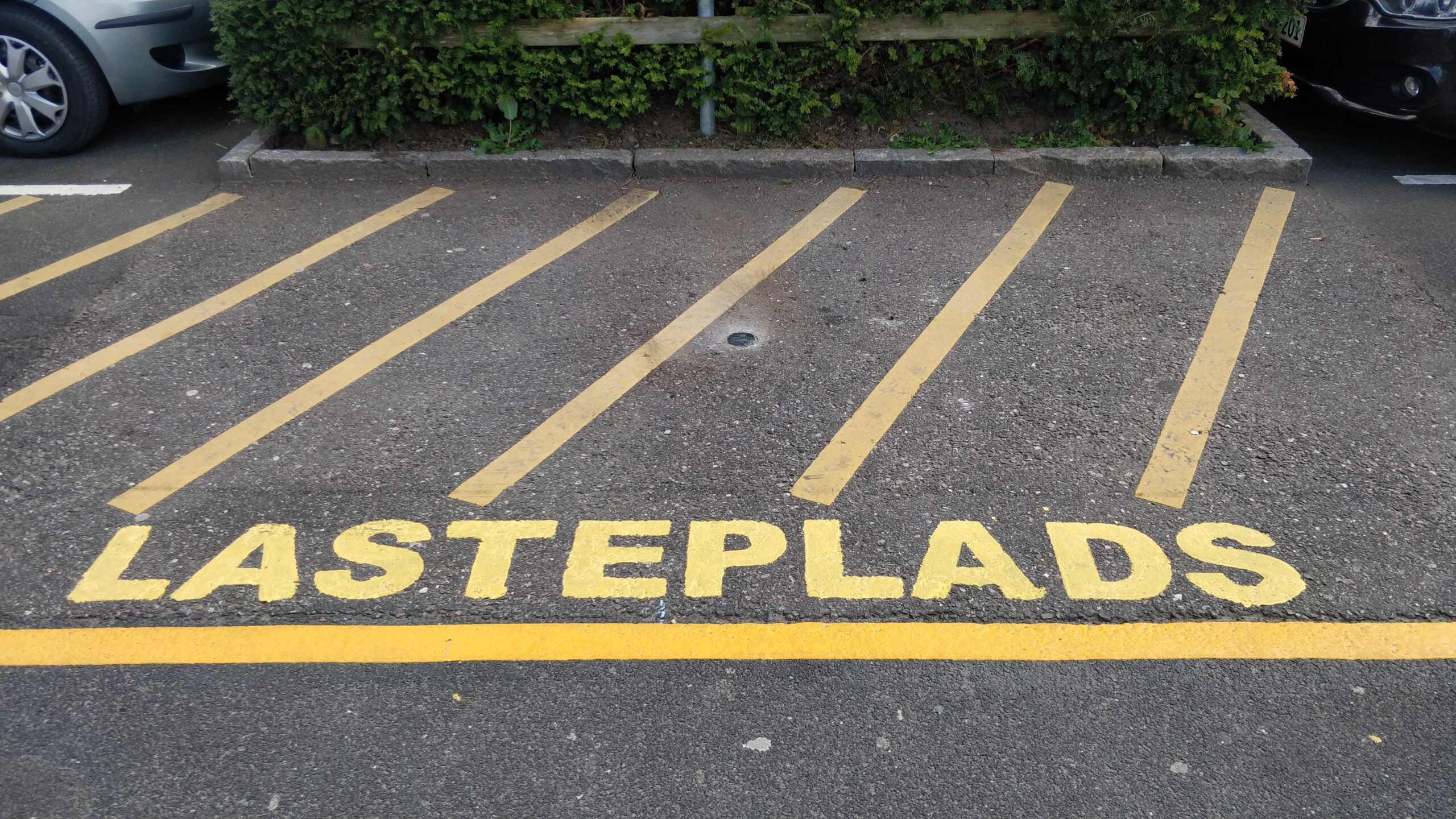
Illegally parked vehicles create risks for other drivers, pedestrians, and cyclists — and in emergencies, they can obstruct the movement of ambulances and fire engines when every second counts. Sensade sensors were installed at locations where parking is prohibited or poses a risk to traffic flow, giving the municipality real-time detection of violations in the areas where they matter most.
Strengthening Silkeborg's Smart City Vision
The parking project was one part of a broader ambition. To support its smart city goals, Silkeborg needed to understand the state of its IoT infrastructure — and expand it where necessary.
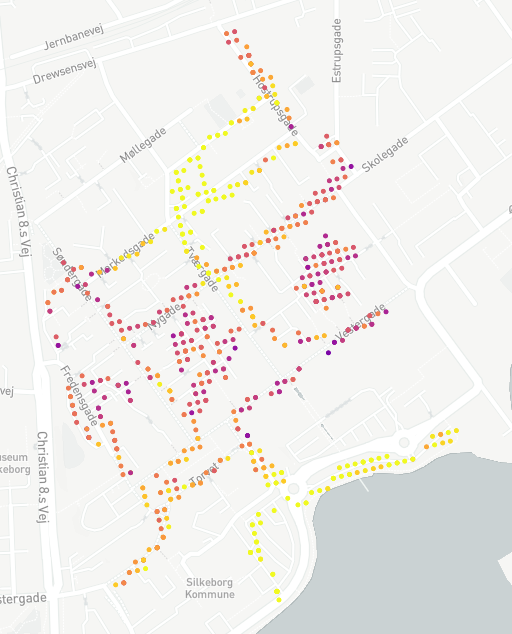
Sensade carried out a comprehensive LoRaWAN connectivity assessment across the city centre, taking over 1,000 ground-level measurements to map signal strength and identify gaps in coverage. The findings were compiled into a detailed report with strategic recommendations for additional gateway placements to ensure full city-wide coverage.
Silkeborg implemented those recommendations. The result is a significantly stronger LoRaWAN network — one built not just for parking, but designed to support the full range of smart city applications the municipality plans to deploy in the years ahead.
The Results
- Real-time parking availability for residents and visitors
- Replacement of inaccurate inductive loop technology
- Illegal parking detection in restricted zones
- Seasonal and peak demand analytics around Silkeborg's lakes
- Full LoRaWAN coverage assessment and network expansion across the city