City of Aarhus

How Aarhus is using 1,000 IoT sensors to optimise urban parking and support its ambition to become CO₂-neutral by 2030.
Introduction

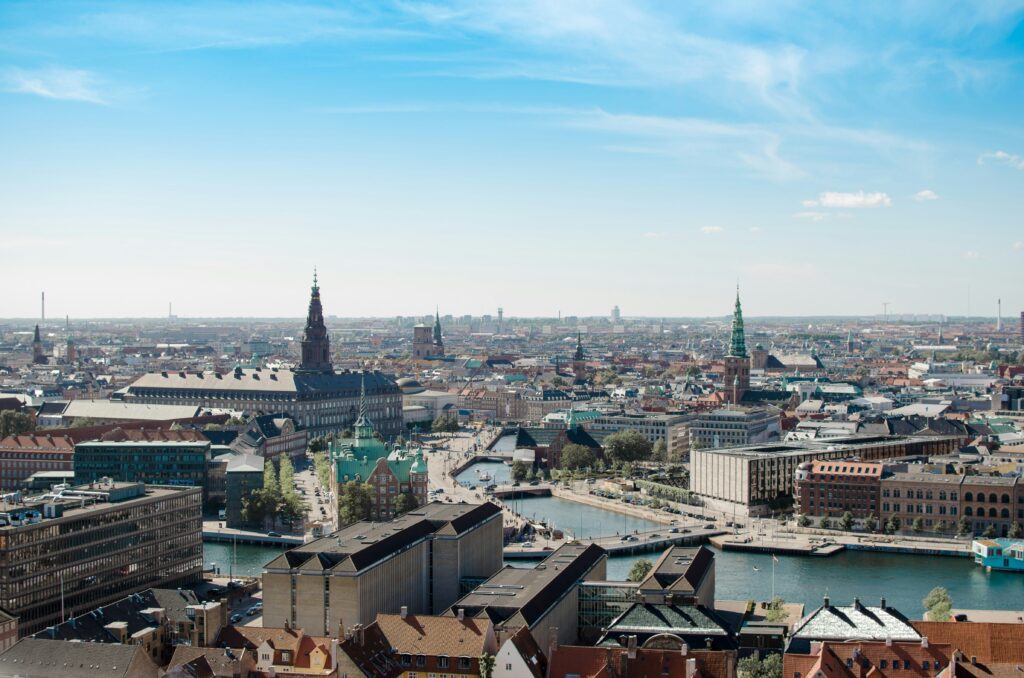
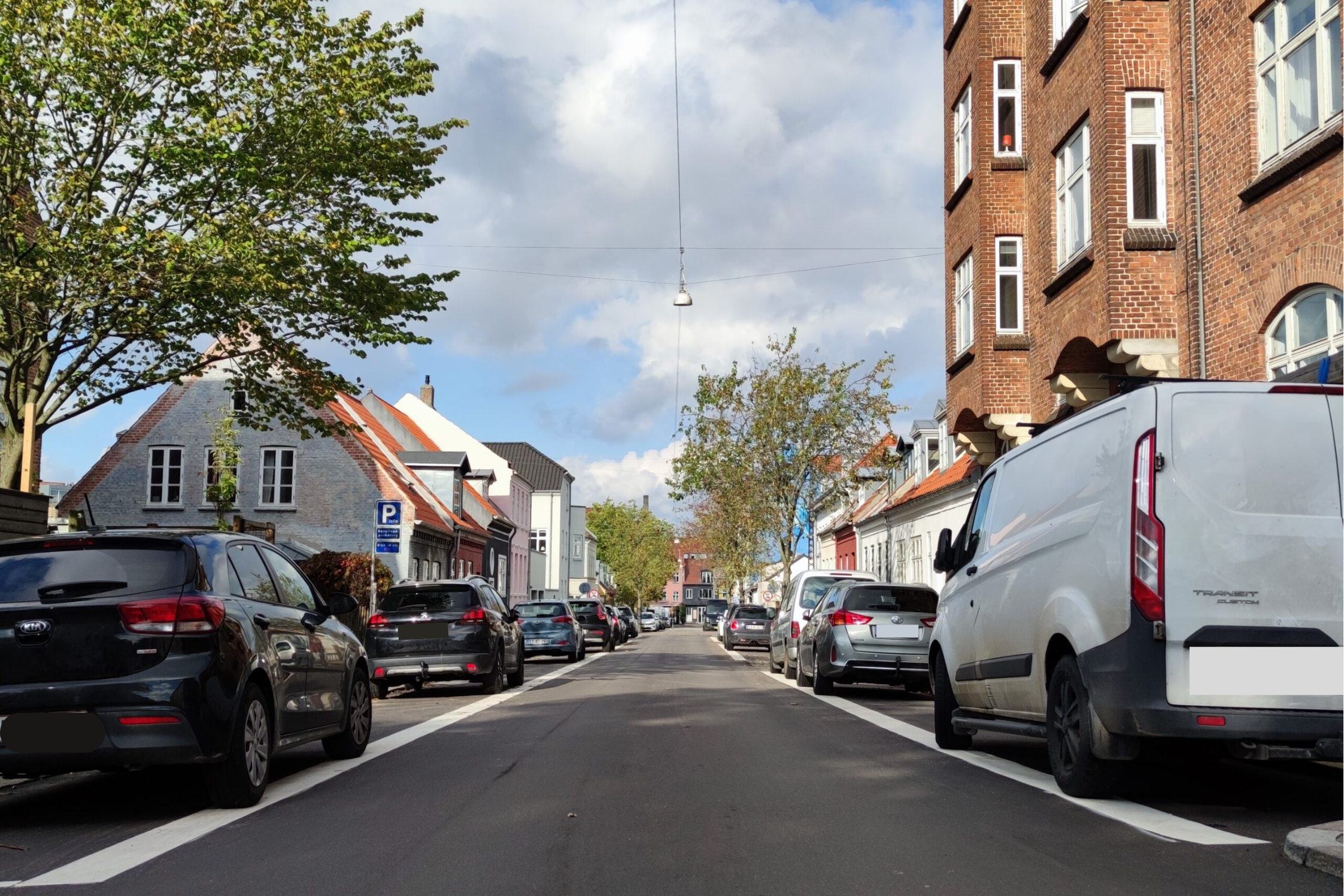
For a city committed to sustainability and liveable urban spaces, parking data may not seem like a priority. But in Aarhus — a fast-growing Danish city with limited space and a 2030 carbon neutrality target — knowing exactly where and when parking spaces are used turns out to matter a great deal.

case

The Challenge

As Aarhus welcomes more residents, demand for parking — particularly in the busy city centre — continues to grow. But the city’s commitment to preserving its green spaces and urban character makes building additional parking infrastructure an impractical answer.

The municipality needed a different approach: one that could make existing parking resources work harder, without compromising the city’s environment or the experience of residents and visitors.

solution

The Solution

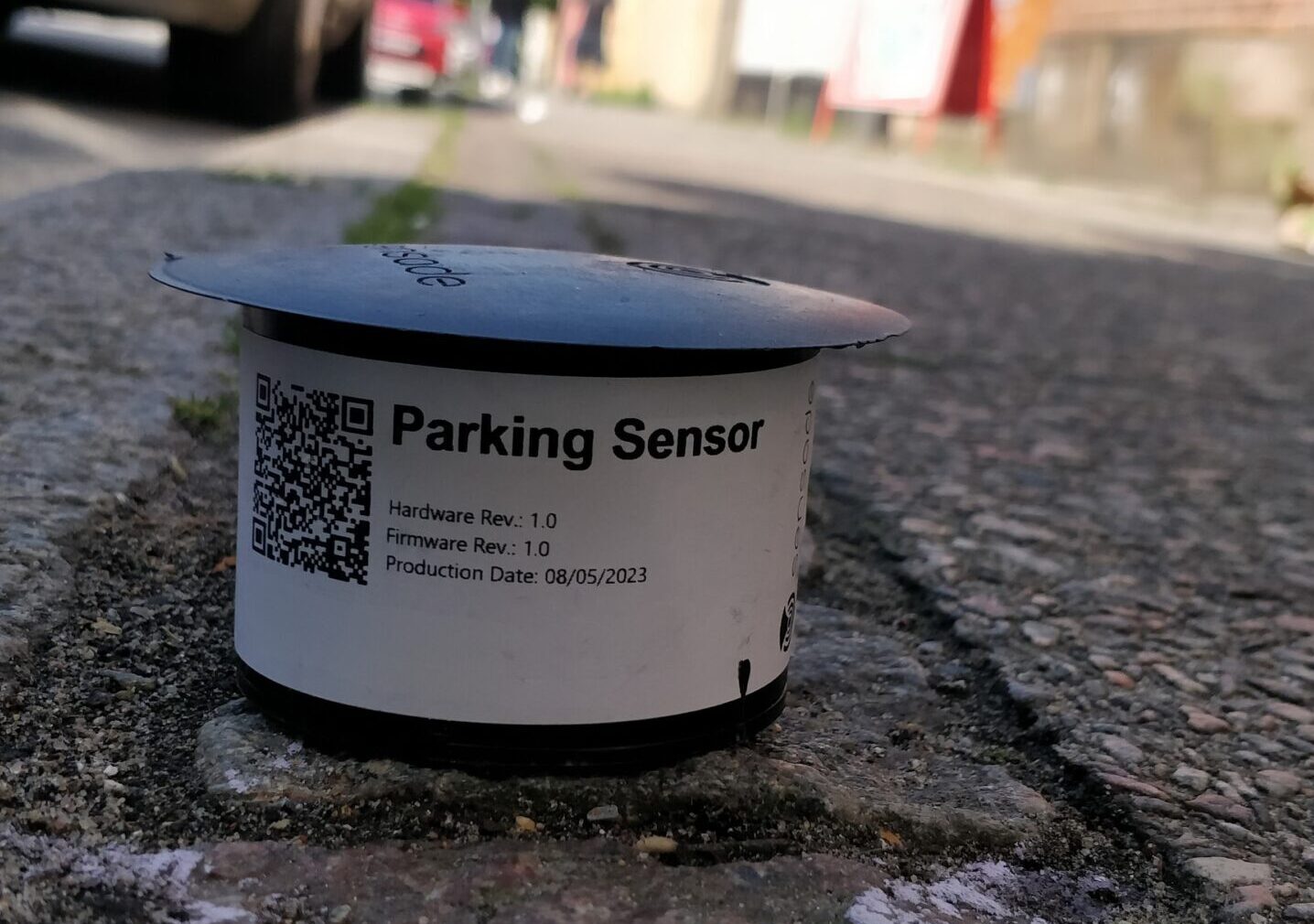
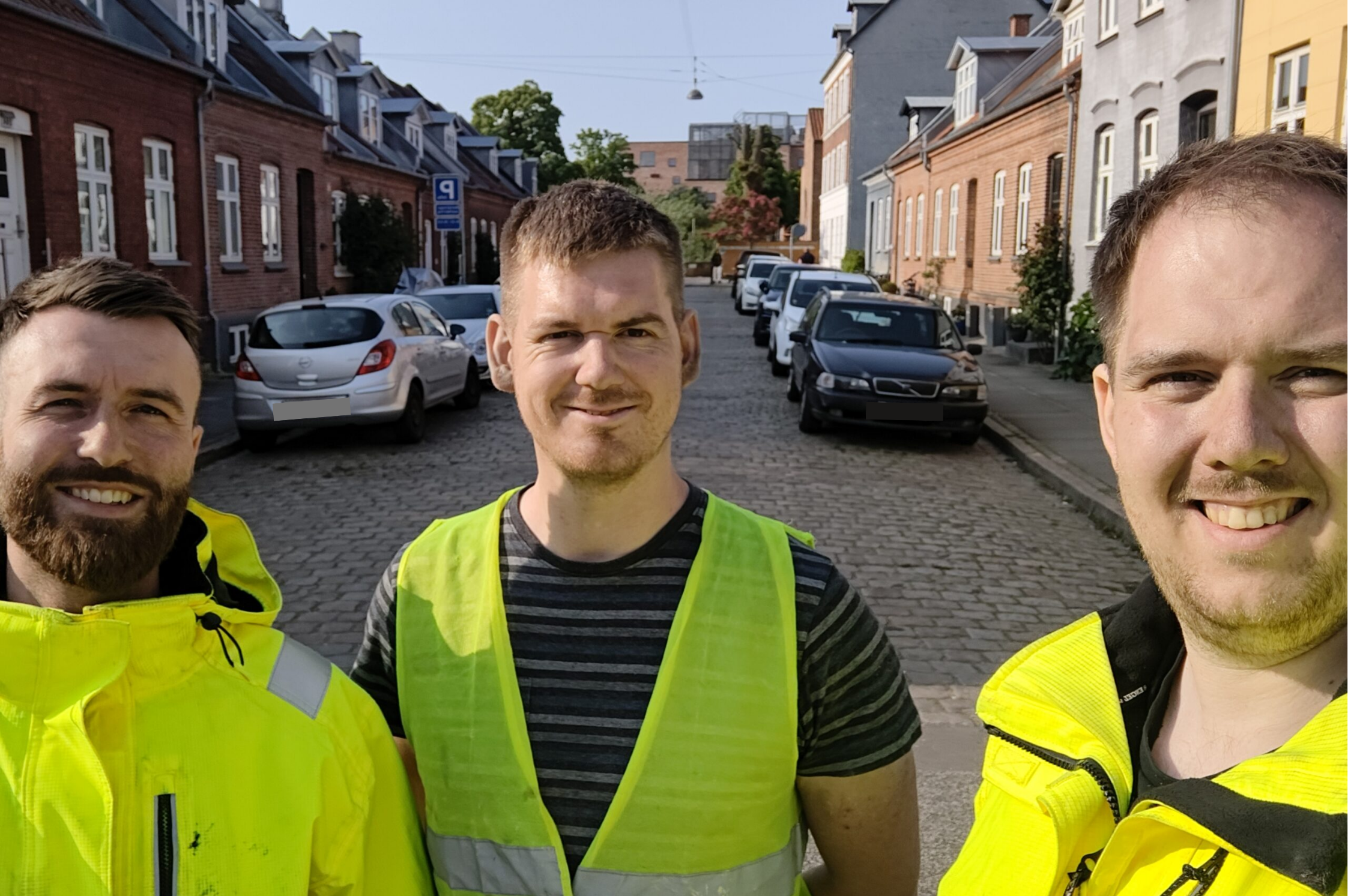
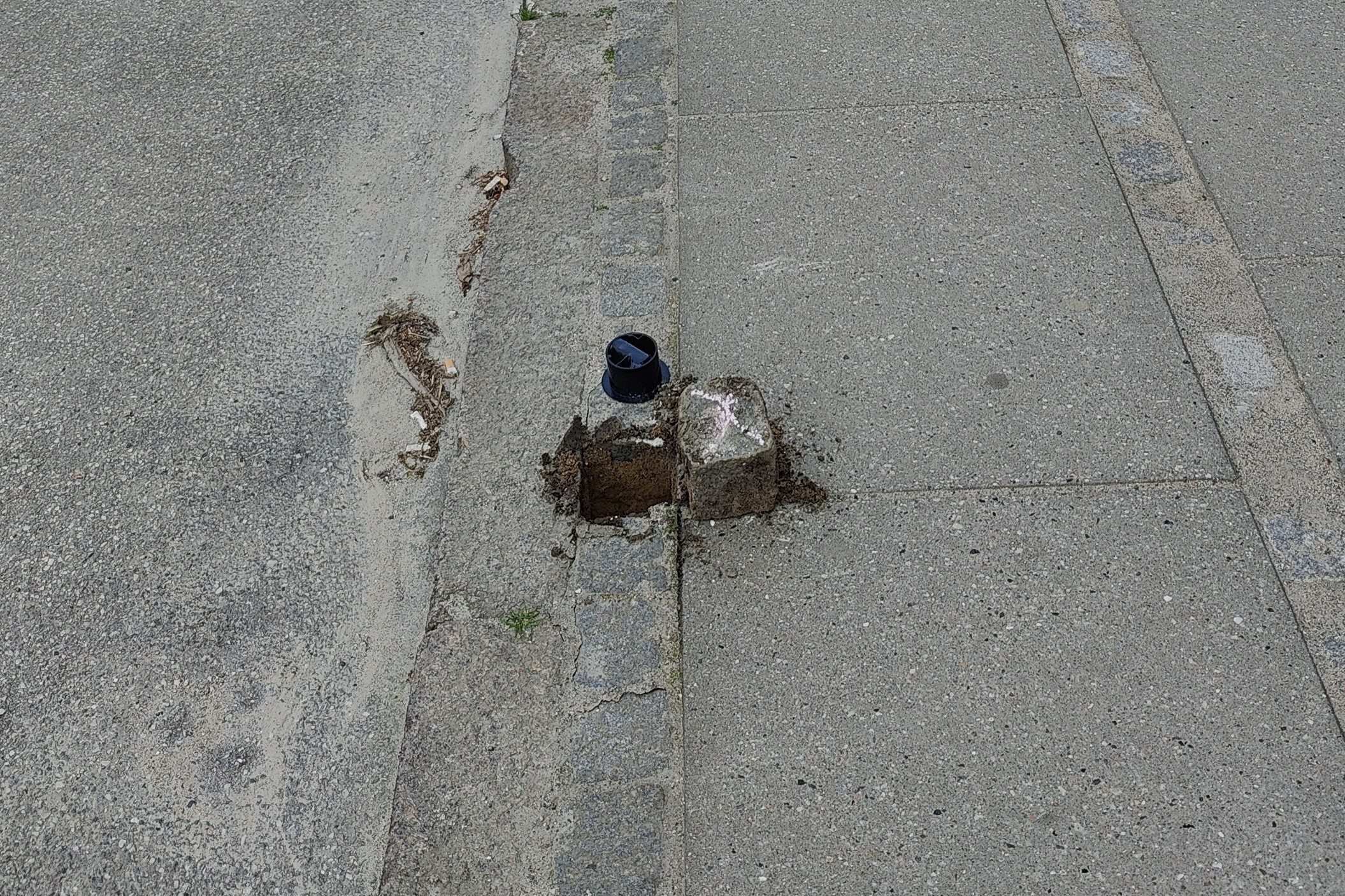
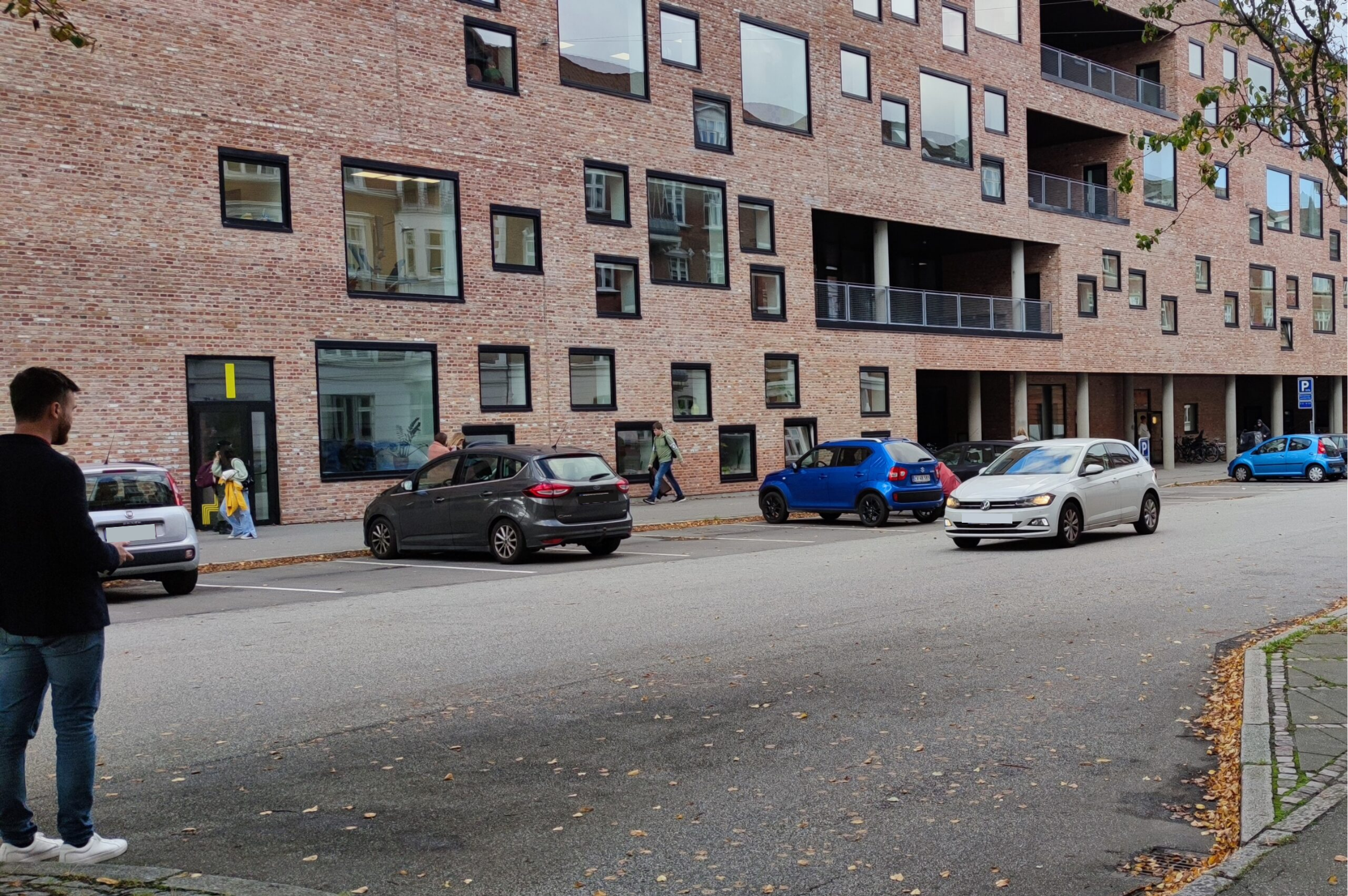
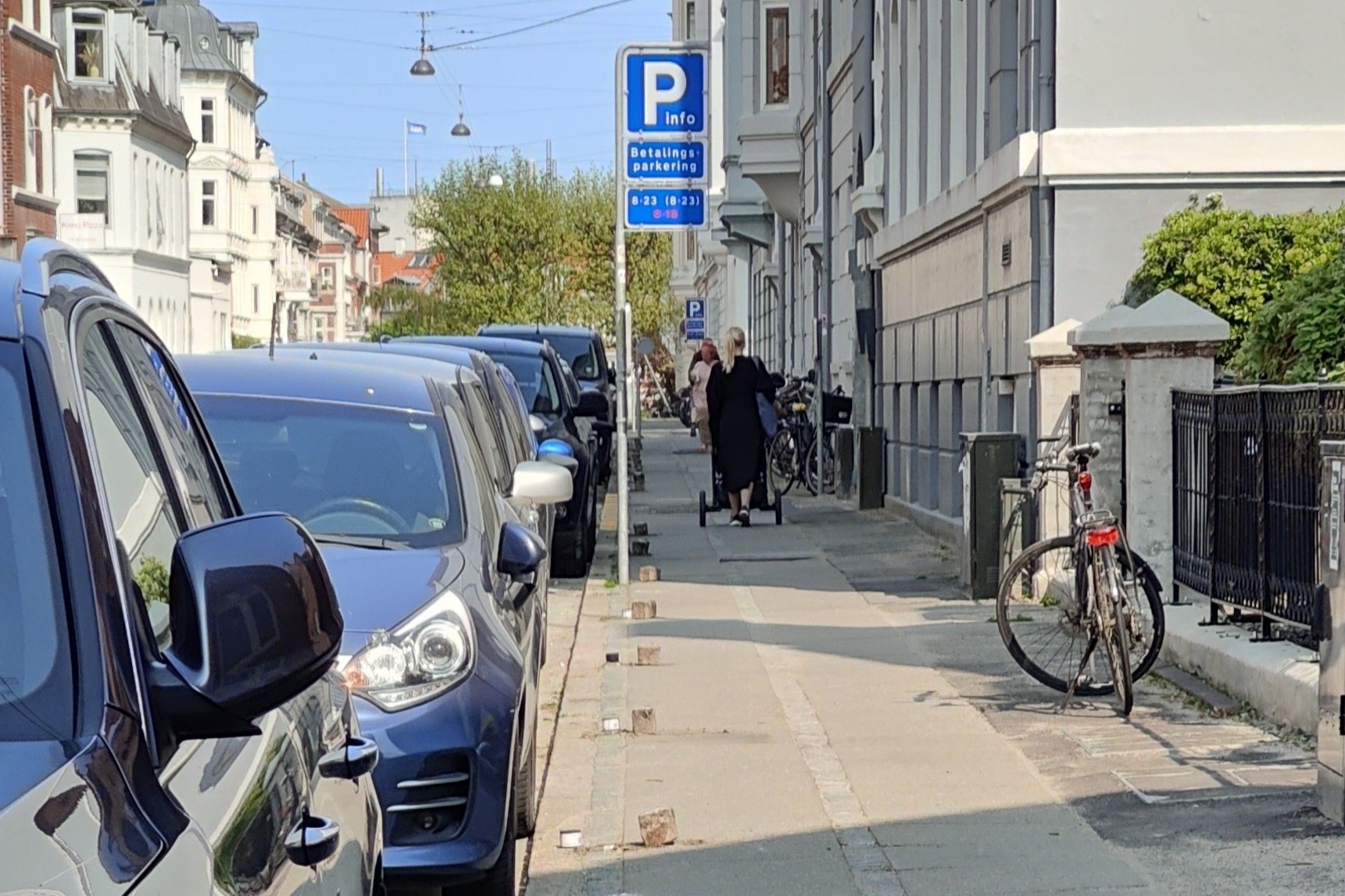
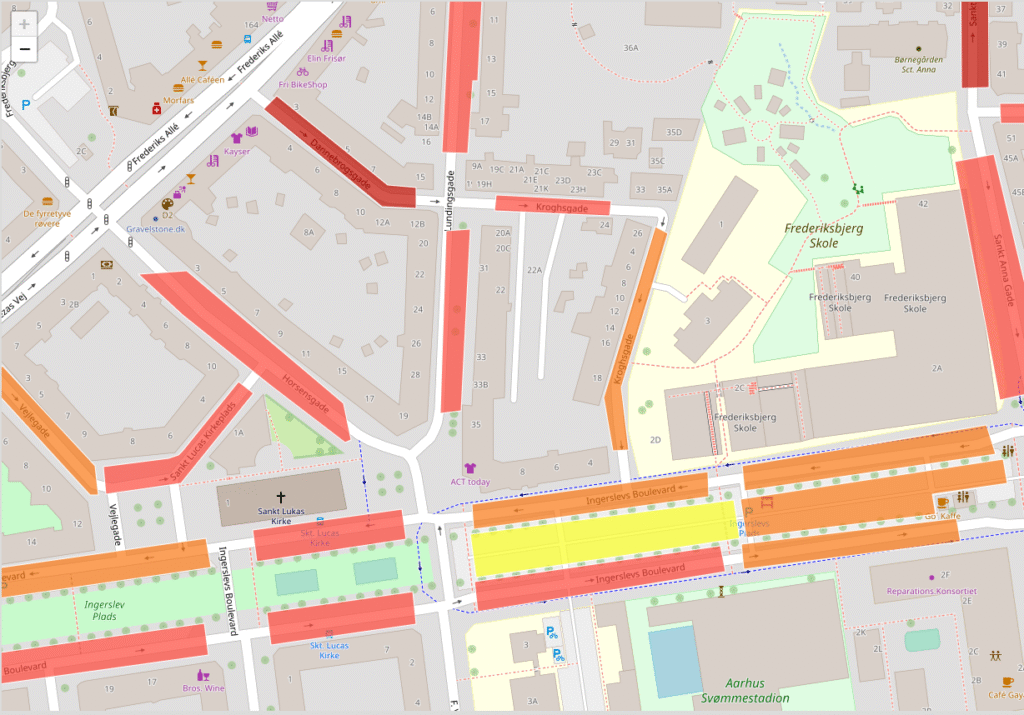
Sensade deployed 1,000 wireless parking sensors across 221 parking areas throughout Aarhus — the largest sensor installation of its kind in Denmark. The sensors are mounted discreetly on pavements, requiring no invasive groundwork. Vehicles can continue parking normally throughout installation and during any future maintenance.

The sensors detect occupancy in real time and transmit data continuously to the Sensade platform, giving the municipality a live picture of parking availability across the city. Because the system is designed for open data integration, the same data can be surfaced directly to citizens — showing available spaces in real time through public-facing applications.

"The sensors will be used to collect data that can be used to plan parking better. But it is also the plan to make it available as open data. This could make it possible to show citizens where parking spaces are available in real time."

Michael Bloksgaard
Project Manager, Technical and Environmental Department, City of Aarhus
Data: The Best Tool for Urban Planners

The real value of the system lies in what the data makes possible. Parking has significant knock-on effects for mobility, local economies, and the environment. With reliable, city-wide occupancy data, Aarhus Municipality can now answer questions that previously had no clear answer:

  • Which areas experience the most significant parking pressure, and how does it vary across the week or year?
  • How does parking availability affect economic activity in different parts of the city, and how can this support local businesses?
  • Which areas have a higher incidence of parking violations, and how can enforcement be improved?
  • Are there opportunities to optimise parking management through dynamic pricing or time-based restrictions?
  • How does parking availability affect public transport use, and where could public transport options be expanded?

That understanding creates the foundation for smarter decisions — decisions that can reduce congestion, encourage sustainable transport, and improve the overall liveability of the city.

CO₂-Neutral by 2030

In 2008, Aarhus City Council set an ambition to lead the green transition and become a carbon-neutral city by 2030 — a goal backed by nine out of ten residents. Optimising mobility and transport is a central pillar of that plan.

A smarter parking network contributes directly to that goal. When drivers can find spaces faster, unnecessary circulation decreases. When the city understands how parking demand shapes travel behaviour, it can make better decisions about infrastructure, pricing, and public transport. Data becomes a tool not just for managing parking, but for shaping a more sustainable city.

The Results

cases

See More Cases

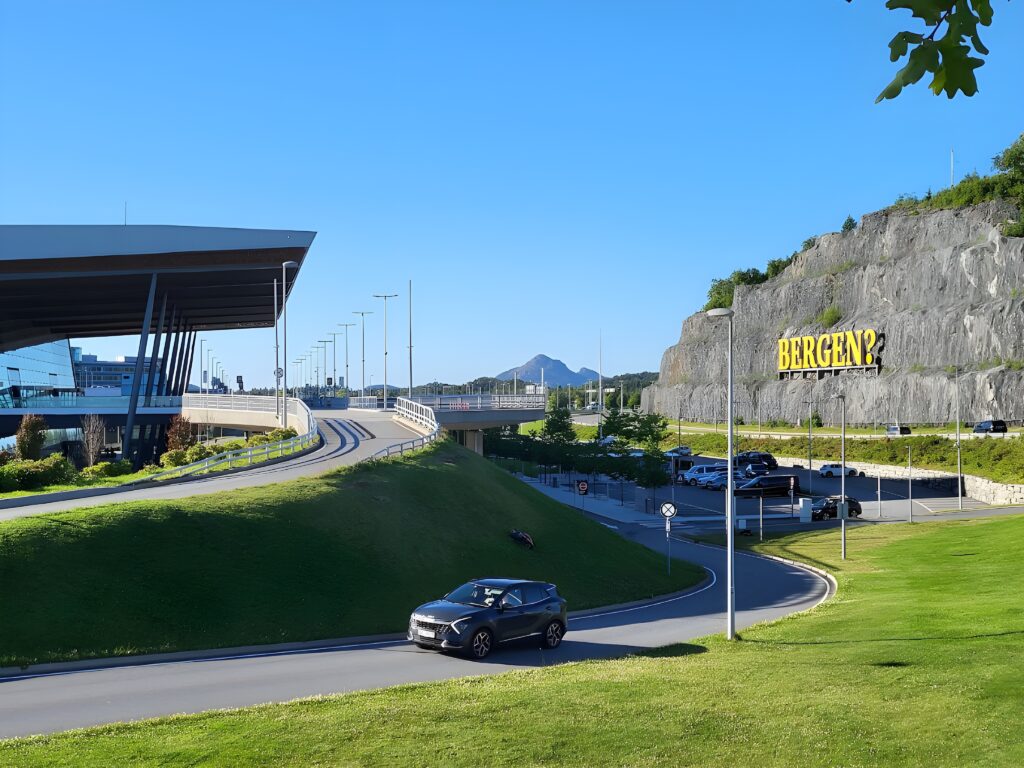
Bergen Airport

Smart parking guidance across five floors and 750 sensors — turning Bergen Airport’s first passenger touchpoint into a seamless arrival experience.

Learn more
Contact

Partner with Sensade

Let’s find the right parking solution for your needs. From first ideas to full-scale deployments, our team is ready to support your next project.

Why work with us:
What happens next?
1

We schedule a short introduction call

2

We review your needs and project goals

3

You receive a tailored proposal

Book a Meeting